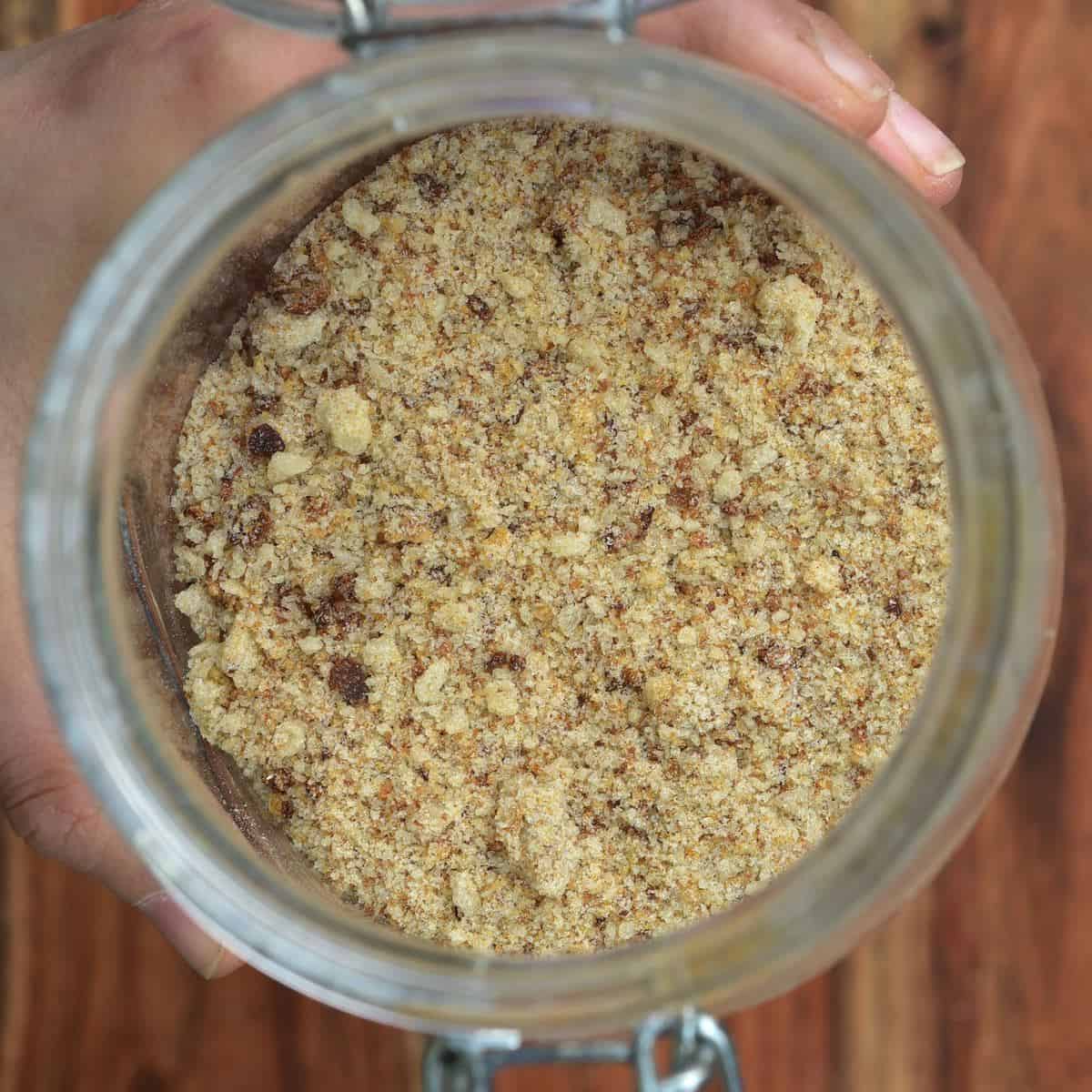
Homemade vs. Store-Bought: Unveiling the Flavorful Breadcrumb Difference
Breadcrumbs are the unsung heroes of countless dishes, providing crucial texture, binding, and flavor. From crisp coatings on fried cutlets to thickeners in meatballs and crunchy toppings on casseroles, their role is undeniable. Yet, for many home cooks, the journey often begins and ends with a trip down the supermarket aisle. While convenient, store-bought breadcrumbs frequently fall short, delivering a lackluster experience compared to the vibrant, versatile world of homemade breadcrumbs fresh, dried, and Italian.
This article delves into the profound differences, not just in taste but in control, health, and sustainability, that come with making your own. Discover why stepping away from the pre-packaged options can revolutionize your cooking and open up a universe of culinary possibilities.
The Hidden Truth About Store-Bought Breadcrumbs
At first glance, store-bought breadcrumbs seem like a bargain – cheap, readily available, and seemingly effective. However, a closer look reveals several significant drawbacks that often compromise the quality of your cooking:
- Lackluster Flavor Profile: Often made from generic, mass-produced bread, store-bought crumbs tend to be bland and one-dimensional. They rarely contribute a rich, deep flavor to a dish, instead acting as a purely textural component.
- Limited Customization: You're stuck with what's on the shelf – usually plain or Italian-seasoned, and in a specific grind size. There's no room to tailor them to your specific recipe or dietary needs.
- Questionable Freshness and Ingredients: Despite their "shelf-stable" nature, these crumbs are far from fresh. They can contain a host of additives, preservatives, and often include common allergens like gluten and dairy, making them unsuitable for specialized diets.
- Inconsistent Texture: The uniform, fine grind of many commercial breadcrumbs might be good for some applications, but it limits versatility. Achieving a coarser, more rustic crumb for certain dishes is impossible without making your own.
The core issue is a lack of control and freshness. When you prioritize convenience over quality, you inherently sacrifice the potential for truly exceptional meals.
Crafting Culinary Gold: The Homemade Advantage
Switching to homemade breadcrumbs isn't just about saving a few pennies; it's about elevating your cooking with superior flavor, texture, and complete control over ingredients. It transforms a humble ingredient into a culinary asset.
Unlocking Superior Flavor and Texture
The most immediate and impactful benefit of homemade breadcrumbs is the undeniable boost in flavor. When you make your own, you start with real bread – bread that likely has its own distinct character, whether it's the tangy notes of sourdough, the wholesome earthiness of whole wheat, or the comforting neutrality of a classic white loaf. This foundational flavor is something pre-packaged crumbs simply cannot replicate.
- Flavor from the Source: Imagine making crumbs from a crusty artisan baguette versus a generic white bread. The resulting crumbs will carry those inherent flavor nuances, adding depth to your dishes. Softer, enriched doughs, like brioche or burger buns, produce a softer, less dense crumb, while heartier loaves yield a more robust texture.
- Control Over Freshness: Whether you opt for fresh or dried varieties, homemade crumbs retain the essence of freshly baked bread. This vibrancy translates directly to your plate, preventing dishes from tasting stale or flat.
- Tailored Texture: With a food processor, you dictate the grind. Want a delicate, fine crumb for binding? A few pulses. Craving a rustic, chunky texture for a gratin topping? Less processing is all it takes. This ability to achieve your desired texture is invaluable, as different dishes call for different crumb profiles.
Beyond Taste: Customization, Health & Sustainability
The homemade advantage extends far beyond just flavor and texture, touching on important aspects of diet, creativity, and environmental consciousness.
- Endless Customization: This is where homemade truly shines.
- Dietary Needs: Easily make gluten-free breadcrumbs using a gluten-free loaf, or dairy-free by selecting appropriate bread.
- Specific Flavors: You can create bespoke crumbs for any dish. Want a spicy crumb for chili-dusted chicken? Add cayenne. A herby crumb for a fish dish? Incorporate dill and lemon zest.
- Pre-Seasoning Convenience: For those who frequently use seasoned crumbs, you can pre-mix dried herbs and spices directly into your homemade dried breadcrumbs for quick Italian, Mediterranean, or Asian-inspired blends.
- Healthier Choices: By making your own, you eliminate unwanted additives, excessive sodium, and unknown ingredients often found in commercial products. You choose the quality of your bread and the purity of your seasonings.
- Reducing Food Waste: Perhaps one of the most practical and satisfying aspects is transforming stale bread – which might otherwise go to waste – into a valuable kitchen staple. Instead of tossing that leftover sourdough or half-eaten baguette, give it new life. This is a fantastic way to stretch your food budget and contribute to a more sustainable kitchen. If you're looking for more ways to be resourceful with your bread, check out our guide on Never Waste Bread Again: Make Fresh & Dried Breadcrumbs Easily.
Mastering the Art of Homemade Breadcrumbs: Fresh, Dried & Italian
The beauty of homemade breadcrumbs lies in their simplicity and versatility. You can create three distinct types, each with its own ideal application.
Fresh Breadcrumbs: The Immediate Flavor Burst
What they are: Made directly from fresh or slightly stale bread without any drying process. They are moist, tender, and incredibly flavorful. How to make them: Simply cube your chosen bread (crusts on or off, depending on preference) and pulse it in a food processor until you reach your desired crumb size – from coarse to fine. This usually takes between 30 seconds to 2 minutes. Best uses:
- Binding Agent: Ideal for meatballs, meatloaf, or crab cakes, where their moisture helps hold ingredients together.
- Soft Topping: Excellent for gratin or casserole toppings, producing a delicate, non-crunchy crust that retains moisture.
- Stuffings: The perfect base for savory stuffings for poultry or vegetables.
Because of their moisture content, homemade fresh breadcrumbs have a shorter shelf life than their dried counterparts and are best used immediately or stored in the refrigerator for a few days.
Dried Breadcrumbs: The Pantry Powerhouse
What they are: Fresh breadcrumbs that have been thoroughly dried, typically in an oven. This process removes moisture, making them crisp and shelf-stable. How to make them: Start by making fresh breadcrumbs as described above. Then, spread the crumbs in a thin, even layer on a baking sheet. Bake in a preheated oven at 300ºF (150ºC) for 10-15 minutes, stirring halfway through, until they are lightly browned and feel completely dry. Allow them to cool completely before storing. Best uses:
- Crispy Coatings: The go-to for breading chicken schnitzel, fish fillets, or vegetable fritters, providing an incredibly crispy and golden exterior when fried or baked.
- Thickeners: Can be used in soups and stews, though fresh crumbs are often preferred for their binding qualities.
- Crunchy Toppings: Sprinkle over pasta dishes, salads, or roasted vegetables for added texture and a delicate crunch.
Homemade dried breadcrumbs can be stored in an airtight container at room temperature for several weeks, or even longer in the freezer.
Italian Breadcrumbs: A Symphony of Savory Spices
What they are: Dried breadcrumbs seasoned with a classic blend of Italian herbs and spices, sometimes including Parmesan cheese. They are incredibly aromatic and add a distinct Mediterranean flair. How to make them: Once you have your homemade dried breadcrumbs, combine them with your favorite Italian seasoning blend. A typical mix includes dried oregano, dried basil, garlic powder, onion powder, dried parsley, a pinch of red pepper flakes (optional), salt, and black pepper. For an extra layer of flavor, you can also add finely grated Parmesan or Pecorino Romano cheese (if not dairy-free). Adjust quantities to your taste! Best uses:
- Classic Breading: Essential for chicken Parmesan, eggplant Parmesan, or veal cutlets.
- Meatballs and Meatloaf: Imparts a wonderful savory depth to these comfort foods.
- Stuffings and Fillings: Perfect for stuffing bell peppers, mushrooms, or creating flavorful fillings for pasta.
The beauty of homemade Italian breadcrumbs is the ability to customize the spice blend precisely to your liking, ensuring a fresh, vibrant flavor that far surpasses anything from a box. For a detailed step-by-step guide on creating all these varieties, explore our comprehensive article: How to Make Homemade Breadcrumbs: Fresh, Dried & Italian.
Choosing Your Loaf: The Foundation of Great Breadcrumbs
The type of bread you use fundamentally impacts the flavor, texture, and nutritional value of your homemade breadcrumbs. While most standard loaves and baguettes will work (avoiding flatbreads like tortillas or pitas), considering your starting material makes a significant difference.
- Sourdough: Offers a delightful tang and robust structure, perfect for a flavorful, slightly chewy crumb that stands up well in rich dishes.
- Whole Wheat Bread: Provides a nutty flavor and added nutritional benefits, yielding denser, heartier crumbs ideal for savory stuffings or healthy coatings.
- White Bread/Buns: Produces softer, lighter crumbs that are less dense, excellent for delicate coatings or as a binder where a milder flavor is desired.
- Gluten-Free Loaves: An absolute game-changer for those with dietary restrictions. You can easily create safe and delicious gluten-free breadcrumbs by using your favorite gluten-free bread.
Fresh vs. Stale Bread: A Key Distinction
You can use both fresh and stale bread for making breadcrumbs, each offering unique advantages:
- Stale Bread: Often the easiest to work with. Bread that has naturally dried out for a day or two (but isn't moldy) processes into crumbs with minimal effort in a food processor. It's already halfway to being a dried crumb, making the drying step quicker if you're aiming for that. This is excellent for preventing waste.
- Fresh Bread: Yields more flavorful and moist crumbs, which are ideal for homemade fresh breadcrumbs. While it might require slightly more processing time to break down its softer texture, the resulting vibrant flavor is often worth it. If you're drying fresh breadcrumbs, ensure they are thoroughly dried in the oven to prevent mold.
Ultimately, the best bread for your breadcrumbs depends on your desired outcome regarding flavor, texture, and nutritional profile.
The Undeniable Appeal of Homemade Breadcrumbs
From the foundational freshness to the infinite customization possibilities, the contrast between homemade and store-bought breadcrumbs couldn't be starker. Opting for homemade means embracing superior flavor, controlling your ingredients, reducing food waste, and tailoring textures to perfection. Whether you need homemade fresh breadcrumbs for a moist meatloaf, crispy homemade dried breadcrumbs for a golden coating, or aromatic homemade Italian breadcrumbs to elevate your pasta dishes, the process is simple, rewarding, and deeply satisfying. Make the switch, and transform a simple ingredient into a culinary masterpiece that truly stands out.
