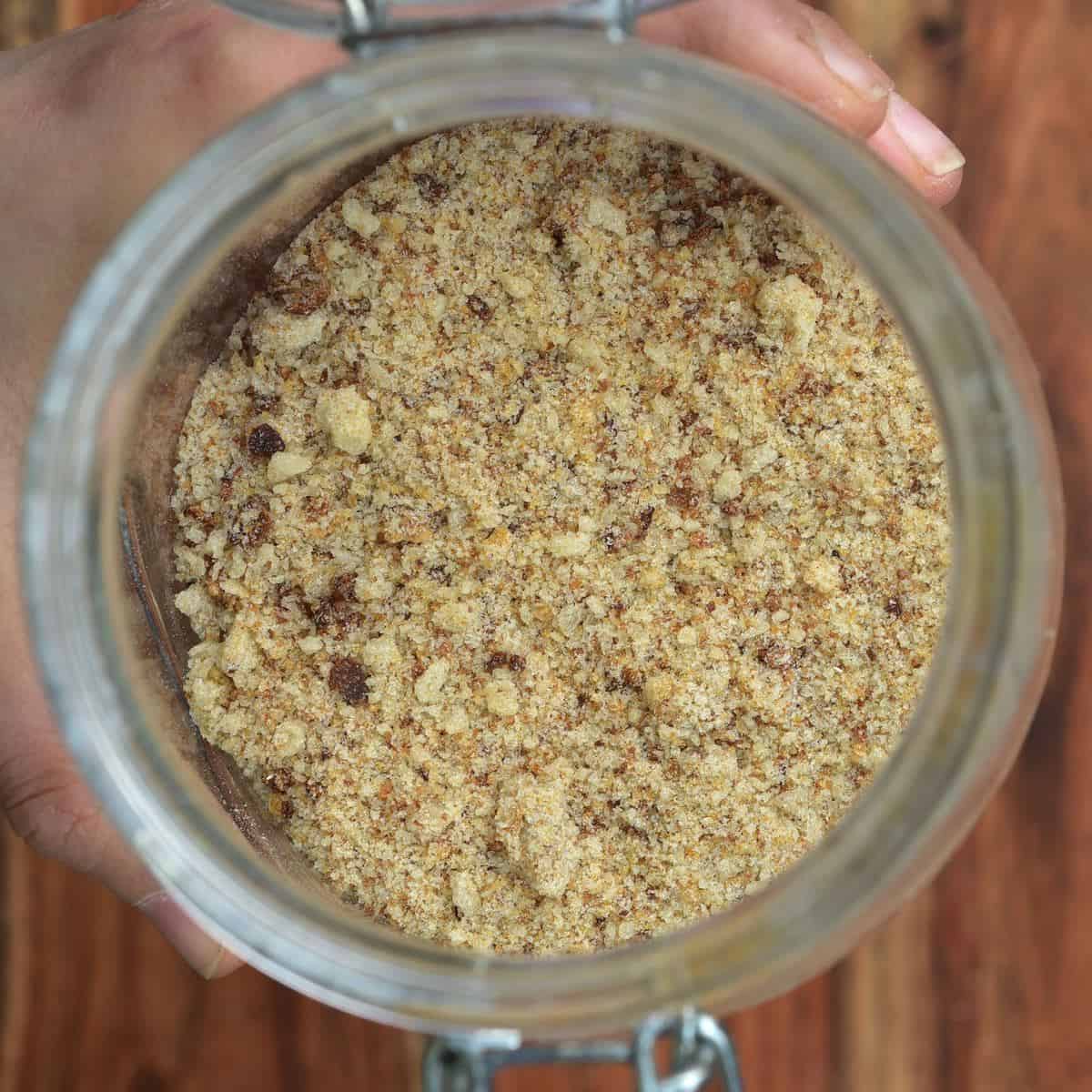
Never Waste Bread Again: Unlock the Magic of Homemade Breadcrumbs
Are you tired of perfectly good bread going to waste? Do you find yourself throwing out stale loaves, forgotten ends, or extra buns? It's a common kitchen dilemma, but it doesn't have to be yours anymore. With just a few simple steps, you can transform your leftover bread into versatile, flavorful homemade breadcrumbs — whether you prefer them fresh, dried, or as aromatic Italian breadcrumbs.
Making breadcrumbs from scratch is more than just a clever way to reduce food waste; it's a culinary game-changer. Forget the often bland, crumbly, and sometimes additive-filled store-bought varieties. When you make your own, you gain complete control over ingredients, texture, and flavor, opening up a world of possibilities for your cooking. From crunchy toppings to binding agents in meatballs, homemade breadcrumbs elevate countless dishes with a depth of flavor that pre-packaged options simply can't match.
Why Homemade Breadcrumbs Reign Supreme (and Save You Money!)
While store-bought breadcrumbs might seem convenient and inexpensive, they often fall short in flavor, freshness, and quality. They typically come in standard sizes, limiting your culinary creativity, and frequently contain preservatives, added sugars, or unwanted allergens like gluten or dairy. When you embark on the journey of making your own, you'll quickly discover a multitude of benefits that far outweigh any perceived convenience:
- Unrivaled Freshness & Flavor: Nothing compares to the vibrant taste of freshly made crumbs. They retain the original character of your chosen bread, providing a far superior flavor profile to your dishes.
- Complete Customization: Have dietary restrictions? Need gluten-free breadcrumbs? Want whole wheat for added fiber? With homemade, you choose the bread, ensuring your crumbs meet your specific needs. You also control the grind, from coarse, rustic crumbs to fine, delicate dust.
- Cost-Effective & Sustainable: Turning leftover bread into a valuable pantry staple is an excellent way to save money and dramatically reduce food waste. It transforms something you might otherwise discard into a useful ingredient. If you're curious about the full spectrum of benefits, Homemade vs. Store-Bought: The Flavorful Breadcrumb Difference delves deeper into why homemade always wins.
- No Unwanted Additives: Say goodbye to cryptic ingredient lists. Your homemade breadcrumbs will only contain what you put into them — pure bread, and any seasonings you choose.
Choosing Your Perfect Loaf: The Best Bread for Breadcrumbs
The beauty of making homemade breadcrumbs is that almost any loaf-style bread can be repurposed. While flatbreads might not be ideal, most other forms work wonderfully. You can experiment with different types to find your preferred flavor and texture:
- Sourdough: Offers a tangy, complex flavor that adds character to dishes.
- Whole Wheat Bread: Provides a nuttier taste and added fiber, making for heartier crumbs.
- White Bread/Sandwich Loaves: Produces lighter, softer crumbs, excellent for delicate coatings or binding.
- Crusty Loaves (Cob, Baguette): Yields denser, more textured crumbs with a robust mouthfeel.
- Burger Buns/Hot Dog Buns: A great way to use up extras, resulting in softer, slightly sweeter crumbs.
- Gluten-Free Loaves: Perfectly suitable for making gluten-free breadcrumbs, opening up options for those with sensitivities.
Fresh vs. Stale Bread: While you don't have to wait for your bread to be rock-hard stale, a slightly dried-out or day-old loaf is often easier to process. Stale bread will crumble more readily in a food processor, yielding consistently textured crumbs. Fresh bread, while more flavorful, may sometimes produce a slightly gummier consistency unless you freeze it briefly beforehand.
Ultimately, your choice of bread should align with the flavor, texture, and nutritional profile you're aiming for in your final dish. Don't be afraid to mix and match different bread types for unique results!
Mastering the Art: How to Make Homemade Breadcrumbs (Fresh & Dried)
The process of making homemade breadcrumbs is surprisingly simple and requires minimal equipment. A food processor is your best friend here, making quick work of the task.
Equipment You'll Need:
- Food Processor (essential for efficiency and consistent texture)
- Large Baking Sheet (for dried breadcrumbs)
- Spatula or Spoon (for stirring)
Method for Fresh Breadcrumbs:
Fresh breadcrumbs are soft, moist, and wonderfully flavorful. They're perfect for coatings that crisp up quickly, binding agents in meatloaves or meatballs, or as a fresh topping for gratins.
- Prepare Your Bread: Tear or cut your fresh or day-old bread into roughly 1-inch cubes. Removing the crust is optional; leaving it on will create a more rustic crumb with added texture and fiber.
- Process: Place the bread cubes into your food processor. Pulse in short bursts, then process continuously until the bread breaks down into your desired crumb size. This usually takes between 30 seconds and 2 minutes, depending on your machine's power and the bread's freshness. Be careful not to over-process, or you might end up with bread paste!
- Use Immediately or Store: Your fresh breadcrumbs are ready! Use them right away, or store them in an airtight container in the refrigerator for up to 3-4 days. For longer storage, fresh crumbs can be frozen for up to 3 months.
Method for Dried Breadcrumbs:
Dried breadcrumbs are a pantry staple, offering a crisp texture and an extended shelf life. They're ideal for breading cutlets, sprinkling over casseroles, or as a base for seasoned crumbs like Italian varieties.
- Start with Fresh Crumbs: Begin by making fresh breadcrumbs as described above.
- Spread Evenly: Spread the fresh breadcrumbs out in a thin, even layer over a large baking sheet. If you have a large batch, use two sheets to avoid overcrowding, which can hinder even drying.
- Bake to Dry: Preheat your oven to 300ºF (150ºC). Bake the breadcrumbs for 10-15 minutes, stirring them halfway through to ensure they dry evenly and don't toast too much in one spot.
- Check for Doneness: The crumbs are ready when they feel completely dry to the touch and are lightly golden brown. They should not be soggy or soft.
- Cool Completely: Remove the baking sheet from the oven and allow the breadcrumbs to cool completely on the sheet. As they cool, they will continue to crisp up and dry further.
- Store: Once fully cooled, transfer your dried breadcrumbs to an airtight container. Store them in a cool, dry pantry for several weeks to a few months, or freeze for even longer.
For more detailed step-by-step instructions and visual guides, you can refer to our companion article, How to Make Homemade Breadcrumbs: Fresh, Dried & Italian.
Elevate Your Cooking: Crafting Authentic Italian Breadcrumbs
Once you've mastered plain dried breadcrumbs, the next logical step is to create flavorful Italian breadcrumbs. These seasoned crumbs are a foundational ingredient in many classic Italian and American-Italian dishes, adding an incredible depth of herbaceous flavor. They're perfect for breading chicken or fish, topping baked pasta dishes, or as a key ingredient in meatballs and meatloaf.
Key Ingredients for Italian Breadcrumbs:
The beauty of homemade Italian breadcrumbs is that you can customize the seasoning to your taste. Here’s a classic blend to get you started:
- 2 cups homemade dried breadcrumbs
- 1-2 tablespoons dried Italian seasoning blend (or a mix of dried oregano, basil, thyme, and marjoram)
- 1 teaspoon garlic powder
- ½ teaspoon onion powder (optional, but adds depth)
- ½ teaspoon salt (adjust to taste, depending on your bread)
- ¼ teaspoon black pepper
- Optional additions:
- 2 tablespoons grated Parmesan cheese (for a savory, cheesy kick)
- ½ teaspoon red pepper flakes (for a touch of heat)
- 1 tablespoon chopped fresh parsley (add right before use for best color and flavor)
Simple Steps to Seasoning:
- Combine: In a medium bowl, combine your dried breadcrumbs with all the dried herbs, garlic powder, onion powder, salt, and pepper. If using dried Parmesan cheese or red pepper flakes, add them now.
- Mix Thoroughly: Use a spoon or whisk to mix all the ingredients thoroughly, ensuring the seasonings are evenly distributed throughout the breadcrumbs. You want every crumb to be bursting with flavor!
- Store: Transfer your freshly made Italian breadcrumbs to an airtight container. Store them in a cool, dry pantry for several weeks, or freeze for longer freshness.
Storing Your Homemade Breadcrumb Bounty
Proper storage is key to enjoying your homemade breadcrumbs for as long as possible:
- Fresh Breadcrumbs: Due to their moisture content, fresh breadcrumbs have a shorter shelf life. Store them in an airtight container in the refrigerator for up to 3-4 days. For extended storage, freeze them in a freezer-safe bag or container for up to 3 months. Thaw in the refrigerator or use directly from frozen in cooked dishes.
- Dried Breadcrumbs: These are very stable! Once completely cooled, store your dried breadcrumbs in an airtight container in a cool, dark pantry. They will remain fresh for several weeks to 2-3 months. For even longer preservation, they can also be frozen for up to 6 months.
- Italian Breadcrumbs: Store seasoned dried breadcrumbs just like plain dried ones — in an airtight container in the pantry for several weeks. The dried herbs help preserve them. If you added fresh herbs or Parmesan, they might be best refrigerated and used within a couple of weeks, or frozen.
Conclusion
Making homemade breadcrumbs fresh dried and Italian breadcrumbs is a simple yet incredibly rewarding kitchen skill. Not only does it allow you to drastically reduce food waste, but it also elevates your cooking with superior flavor, texture, and control over ingredients. From a crispy topping to a tender binder, homemade breadcrumbs are a versatile secret weapon every home cook should master. So next time you have leftover bread, don't toss it — transform it into a delicious, sustainable, and utterly indispensable ingredient!
